
New Dairy Concept: A More Sustainable Future for American Dairy
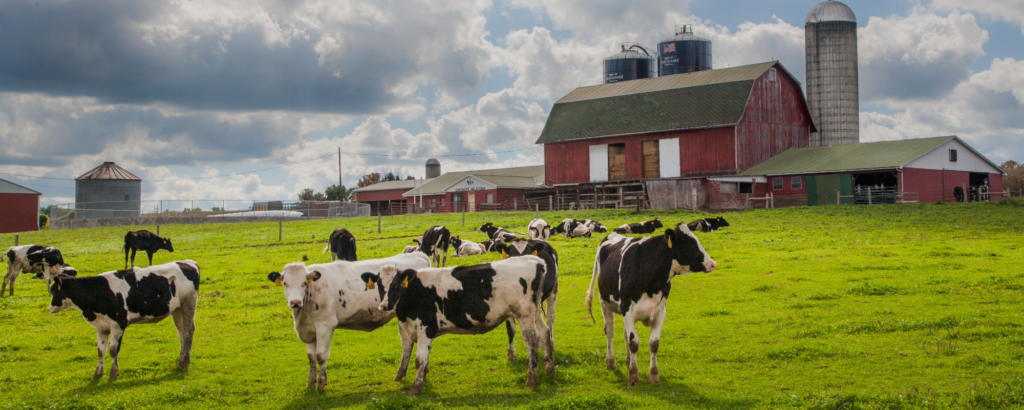
This article was originally published on the Healing Our Waters – Great Lakes Coalition’s website and is republished here with permission. Credit: New Dairy Concept/Dairy Grazing Apprenticeship An integral part of the New Dairy Concept is a method of raising livestock called regenerative managed grazing, in which cows graze on grassy pastures in rotating paddocks […]
The Global Importance of Regenerative Agriculture
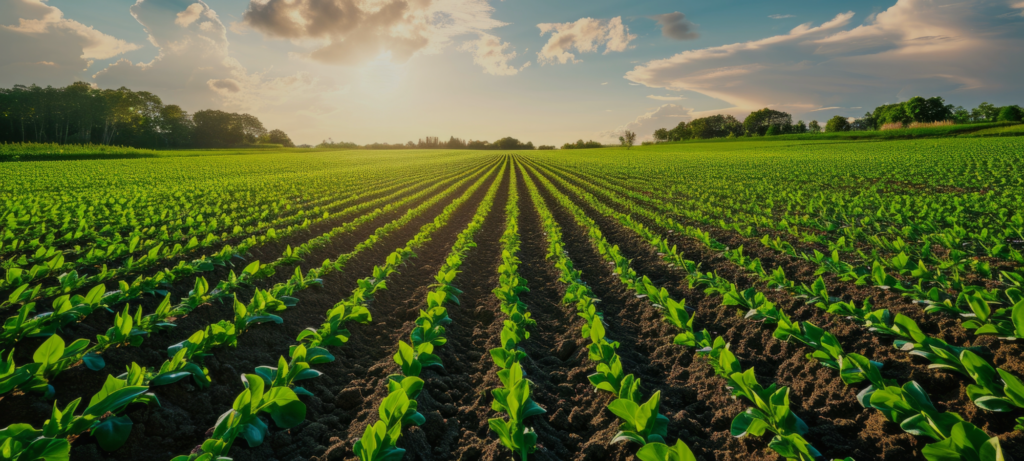
Nearly 40% of land use across the globe is dedicated to one thing: agriculture. So, it makes sense that an equally large amount of our natural resources, freshwater in particular, is also dedicated to agriculture and crop growth. Agriculture has been the source of some of humankind’s most defining inventions and innovations, changing entire societies […]
Tides of Change: A Framework for Developing Just and Inclusive Green Shipping Corridors

Transitioning away from fossil fuels must include careful effort to avoid perpetuating the injustices present in today’s global economy, and instead ensure a just and equitable transition. A new report “Tides of Change: A Framework for Developing Just and Inclusive Maritime Green Corridors” co-created by the UN Global Compact, the Mærsk Mc-Kinney Møller Center for Zero Carbon […]
Greenwashing 3.0

Why addressing greenwashing remains as important as ever (and what can be done about it) Companies are being put on notice, and paying the price, for deceiving consumers with untrue or ambiguous environmental pronouncements about their products or services, a practice widely known as greenwashing. A case in point was when Keurig Canada was fined […]
How Recycling Plastic Bottles Generates an Economic Ripple Effect in Ohio
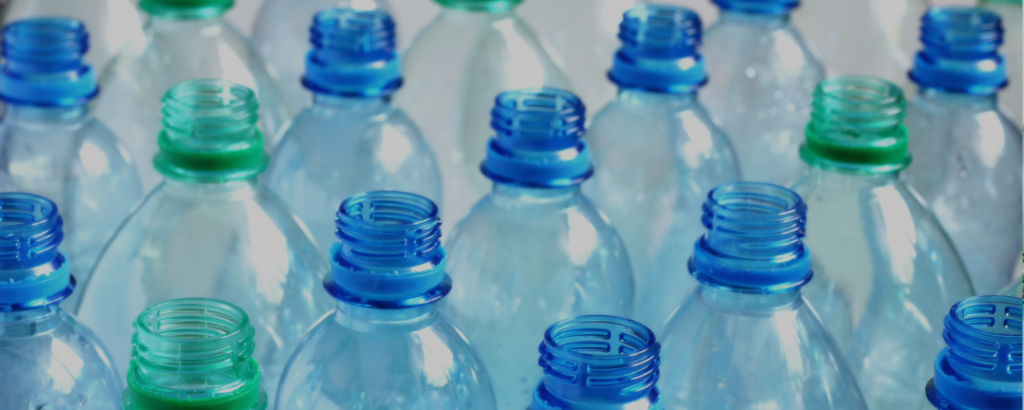
When Ohioans drop in or drop off their recyclables, they might not realize that in addition to diverting trash from the landfill, they are also supporting jobs, consumers and Ohio’s economy. In fact, nearly 400 businesses in central Ohio are recycling reliant. Together, they support more than 5,000 jobs and generate $1.3 billion in revenue […]
From Field to Bin: The Environmental Impacts of U.S. Food Waste Management Pathways
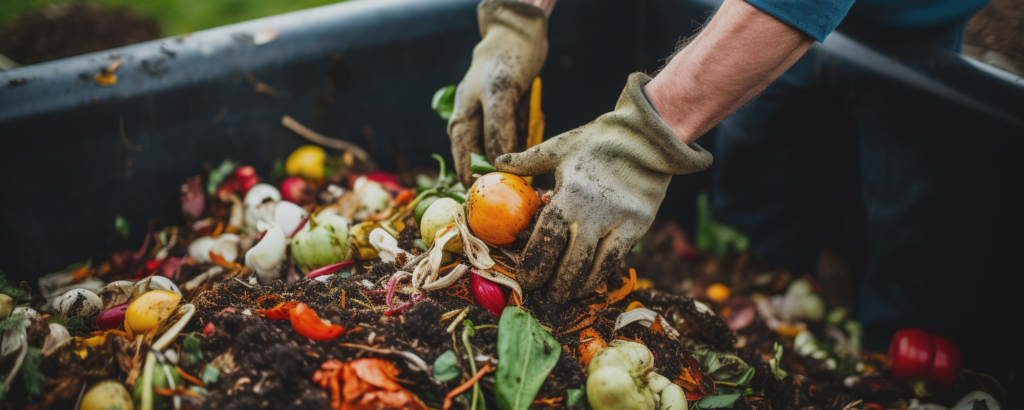
Over one-third of the food produced in the United States is never eaten, wasting the resources used to produce it – and much of it is sent to landfills, where it breaks down and generates methane, a powerful greenhouse gas. Wasted food is the single most common material landfilled and incinerated in the United States, comprising […]
What Will Canada’s Yet-to-be-Named Restoration Program Mean for Great Lakes Project Funding?

In the last blog, we covered the U.S. political challenges involved with Great Lakes restoration funding, especially in these extremely partisan times. But we saw hope for the undercurrents of bipartisanship for Great Lakes funding, too. In this last entry, we’ll look at the challenges and optimism associated with Canada’s recent funding announcement. Since the […]
Will Politics Stand in the Way of Continued Project Funding for Great Lakes Restoration?

Last time, we explained why the timing is ideal right now for Great Lakes restoration work. We also reviewed the steps involved with applying for Great Lakes restoration funding. This time, we turn our attention to what could be in store for the Great Lakes Restoration Initiative. Specifically, will politics make it harder for you […]
Great Lakes Restoration Funding: Know and Share Your Goals to Get Results

In Part 2 of this series, we looked at when Great Lakes restoration funding began to get serious. This started in 2009 when President Barack Obama proposed, and a bipartisan Congress funded, the Great Lakes Restoration Initiative (GLRI). Now let’s discuss how to access the funding now available through the GLRI. The time has never […]
How Toxic Hotspots Were Identified, Money Arrived, and a Network Was Born
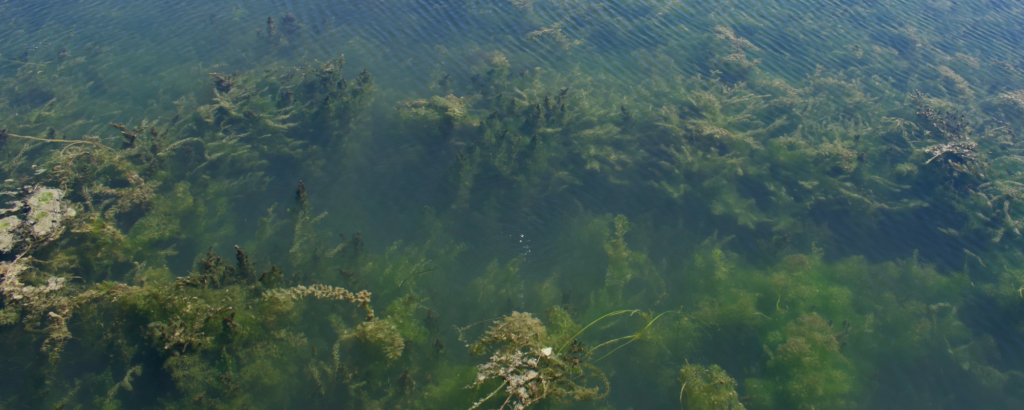
In my first post about Great Lakes Restoration, I shared a brief history about the first moves by the U.S. and Canada to commit to saving the Great Lakes ecosystem. That history concluded with the important recognition of an ecosystem approach to Great Lakes management but that federal funding didn’t keep pace with federal restoration […]