
Potential for U.S. Agriculture to Be Greenhouse Gas Negative
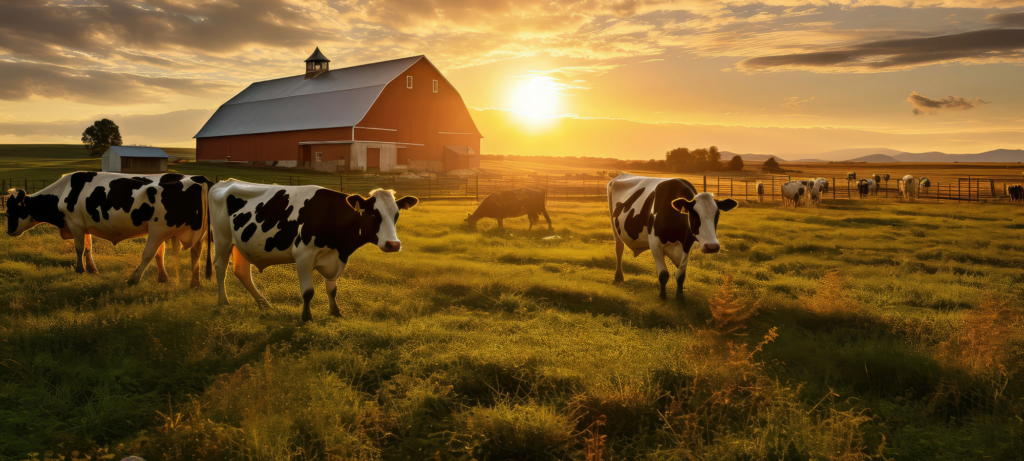
Carbon is the foundation for agricultural products beginning with the conversion of carbon dioxide into sugar through the process of photosynthesis and ultimately converted into compounds that are harvested through grains, fruit, vegetables, nuts, and fiber and animals convert into meat, milk, eggs, or wool. Carbon dioxide is released back to the atmosphere through processes […]
Supporting Ontario Farmers to Advance Best Nutrient Management Practices
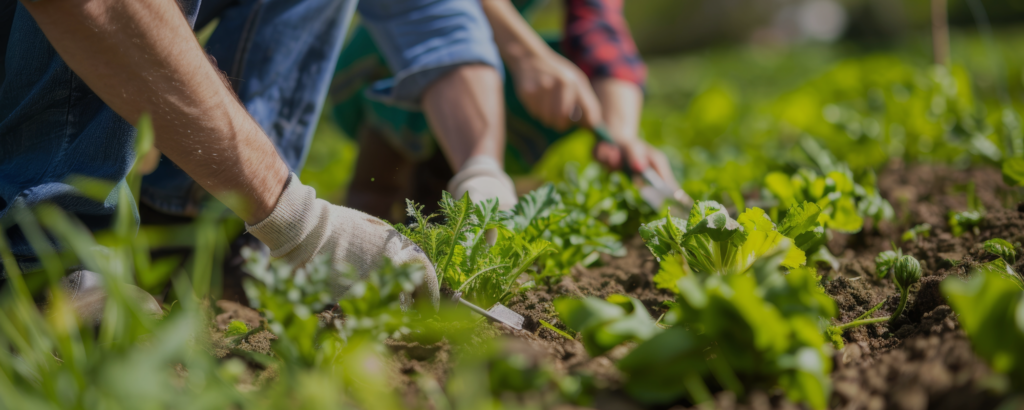
The below is taken from the Executive Summary of the report “Ontario Farmers for Agricultural Conservation: An NFU-O Report & Survey on Advancing Best Nutrient Management Practices”. Farmers care about agricultural conservation. Over three quarters of the 246 Ontario farmers who took part in this NFU-O survey believe they have an important role to play […]
The Global Importance of Regenerative Agriculture
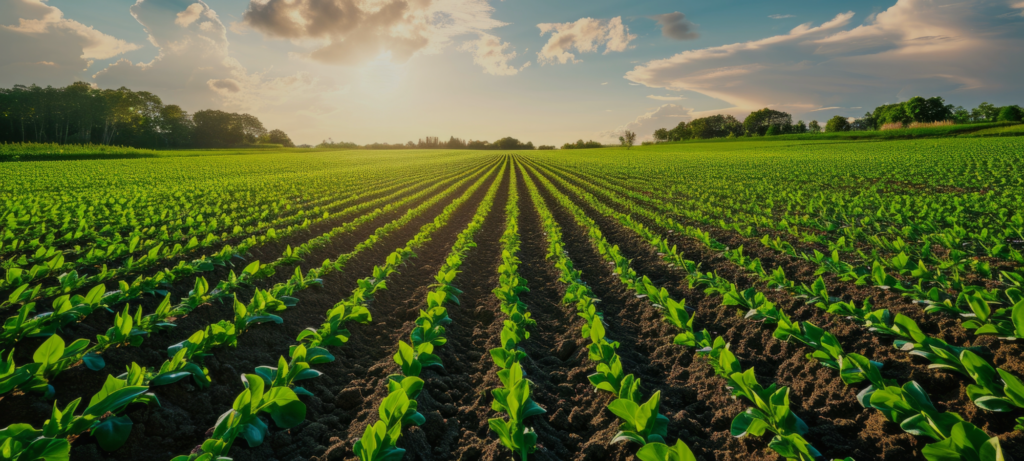
Nearly 40% of land use across the globe is dedicated to one thing: agriculture. So, it makes sense that an equally large amount of our natural resources, freshwater in particular, is also dedicated to agriculture and crop growth. Agriculture has been the source of some of humankind’s most defining inventions and innovations, changing entire societies […]
From Field to Bin: The Environmental Impacts of U.S. Food Waste Management Pathways
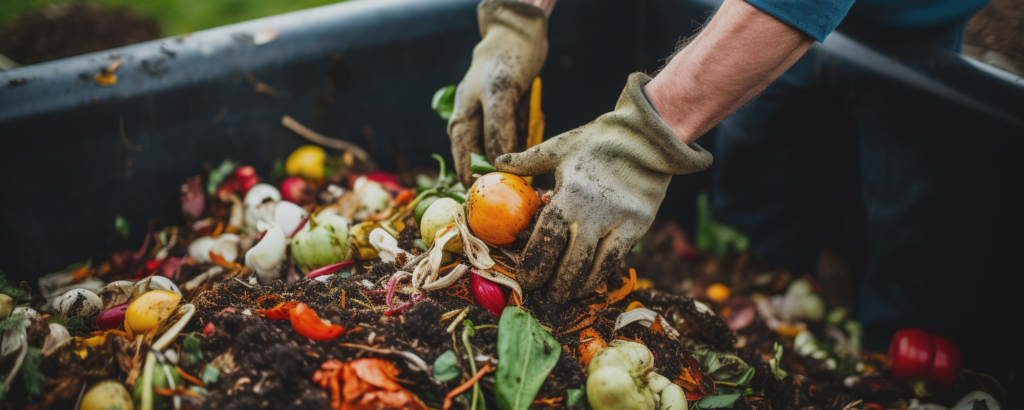
Over one-third of the food produced in the United States is never eaten, wasting the resources used to produce it – and much of it is sent to landfills, where it breaks down and generates methane, a powerful greenhouse gas. Wasted food is the single most common material landfilled and incinerated in the United States, comprising […]
Canadian Agri-Food Resilience
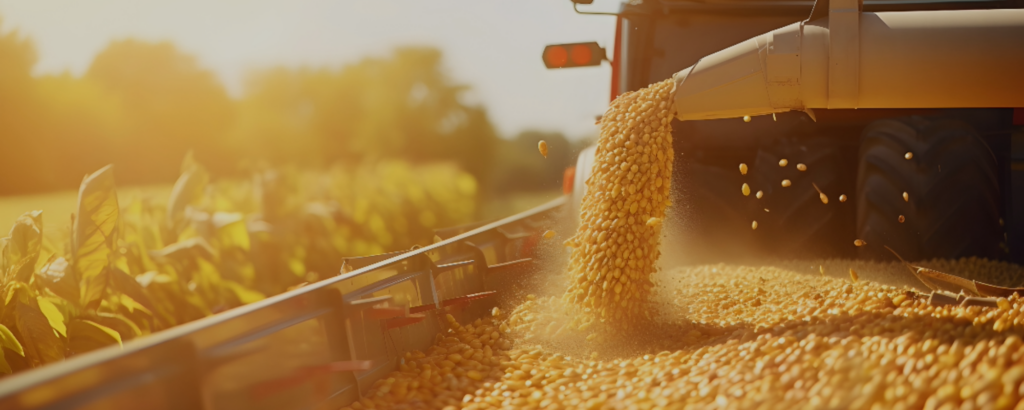
The following is the Introductory Section of the report ‘Canadian Agri-Food Resilience: A Toolbox for Managing Crises’, commissioned by The Canadian Agri-Food Policy Institute and funded in part by the Government of Canada under the Canadian Agricultural partnership’s AgriRisk Initiatives program. Reposted with permission. After reading the article below, gain more insight into the report, […]
PepsiCo To Pump $216m Into U.S. Regenerative Ag: “We’re Putting Our Money Where Our Mouth Is”
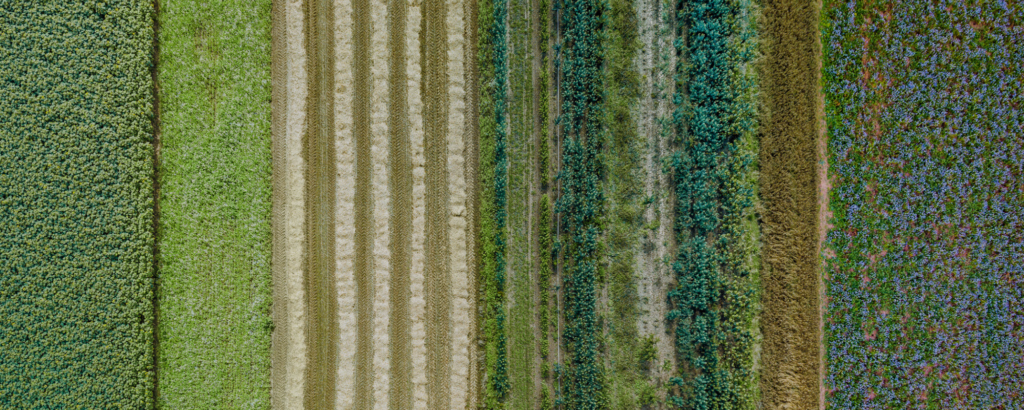
PepsiCo has unveiled plans to pump $216 million into regenerative agriculture projects spanning 3 million acres of farmland in the US. The plan involves multi-year partnerships with Practical Farmers of Iowa (PFI), Soil and Water Outcomes Fund (SWOF), and the IL Corn Growers Association (ICGA). The initiative aims to deliver three million metric tons of greenhouse gas (GHG) emission reductions and removals by […]
Climate Change is Altering What We Grow and What We Eat.
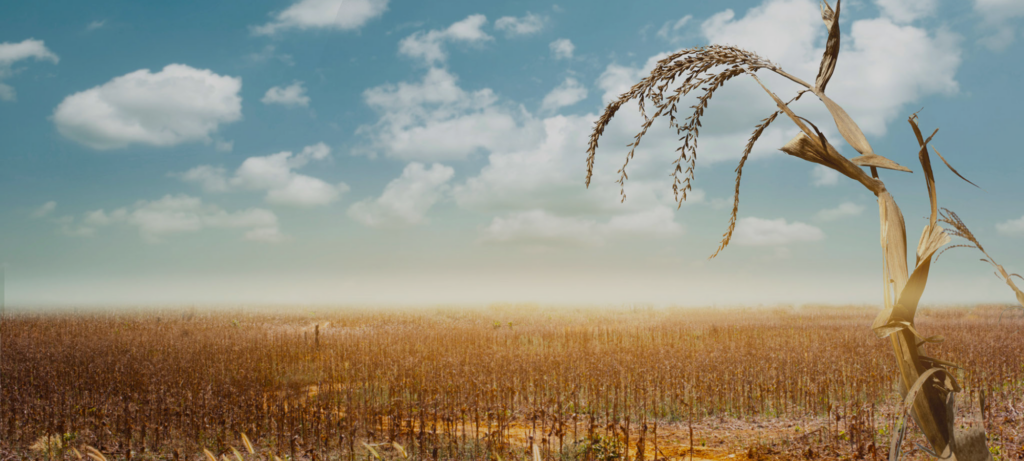
I grew up on a small Wisconsin dairy farm. It was small — one cow — but she supplied our milk and butter. It meant that as a kid, every morning and eve, I cleaned stalls and fed the farm’s menagerie of pigs, horses, cats, dogs, heifers, calves, and that one cow. I milked her […]
Food Waste Management at Meijer
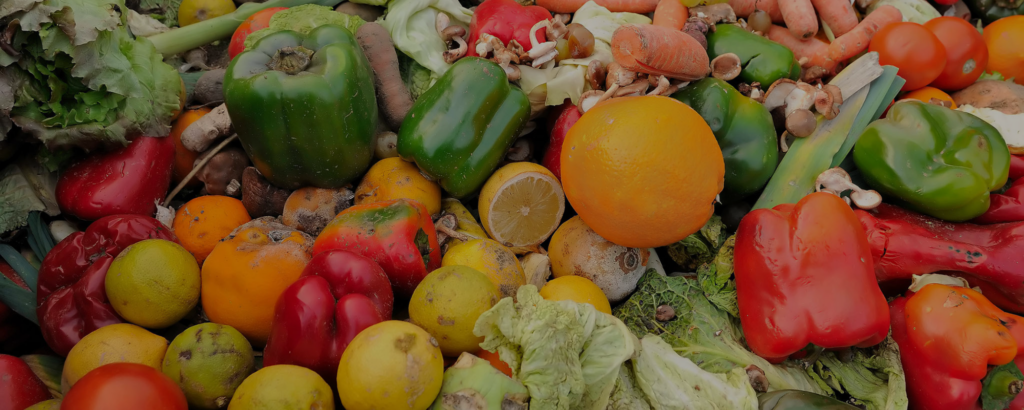
The Issue Food waste goes far beyond banana peels and the moldy mystery leftovers tossed from the back of the fridge. Much of the food that’s wasted is behind the scenes — out of the eyes of the average consumer. Based on a 2022 McKinsey & Company publication, 33 percent to 40 percent of the […]
An Urgent Need for Water Stewardship in Food & Beverage Processing
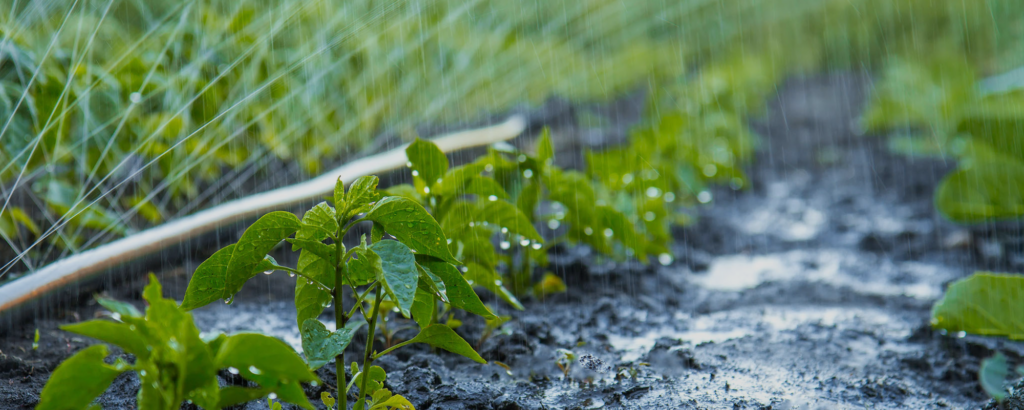
Changing mindsets to reduce water waste. Without water, there is no food. This truth is often applied to agriculture, but it is valid at all stages of the food and beverage production process. In fact, a 2021 Barclays analysis finds that the consumer staples sector—which includes food, ingredients, agribusiness, meat, beverages, tobacco and household and […]