
What Will Canada’s Yet-to-be-Named Restoration Program Mean for Great Lakes Project Funding?

In the last blog, we covered the U.S. political challenges involved with Great Lakes restoration funding, especially in these extremely partisan times. But we saw hope for the undercurrents of bipartisanship for Great Lakes funding, too. In this last entry, we’ll look at the challenges and optimism associated with Canada’s recent funding announcement. Since the […]
Will Politics Stand in the Way of Continued Project Funding for Great Lakes Restoration?

Last time, we explained why the timing is ideal right now for Great Lakes restoration work. We also reviewed the steps involved with applying for Great Lakes restoration funding. This time, we turn our attention to what could be in store for the Great Lakes Restoration Initiative. Specifically, will politics make it harder for you […]
Great Lakes Restoration Funding: Know and Share Your Goals to Get Results

In Part 2 of this series, we looked at when Great Lakes restoration funding began to get serious. This started in 2009 when President Barack Obama proposed, and a bipartisan Congress funded, the Great Lakes Restoration Initiative (GLRI). Now let’s discuss how to access the funding now available through the GLRI. The time has never […]
How Toxic Hotspots Were Identified, Money Arrived, and a Network Was Born
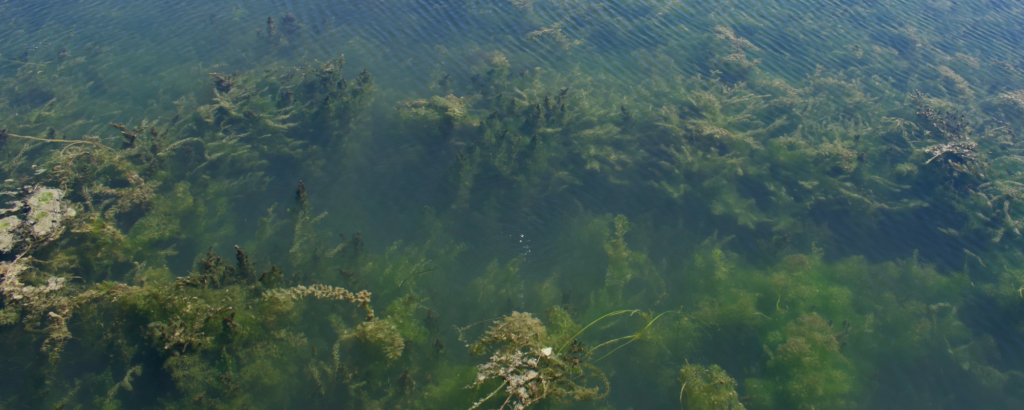
In my first post about Great Lakes Restoration, I shared a brief history about the first moves by the U.S. and Canada to commit to saving the Great Lakes ecosystem. That history concluded with the important recognition of an ecosystem approach to Great Lakes management but that federal funding didn’t keep pace with federal restoration […]
The Protection of the Great Lakes Began More Than 50 Years Ago – That History Matters Today for Funding Important Projects. But Why?

In an era when climate change is touching almost every aspect of our lives, it’s becoming clearer by the day that if we want our ecosystems to take care of us, we need to take care of them. The same is true for the Great Lakes and St. Lawrence River, comprising about 20 percent of […]
Protecting the Great Lakes: The Imperative of Recycling Agricultural Plastics
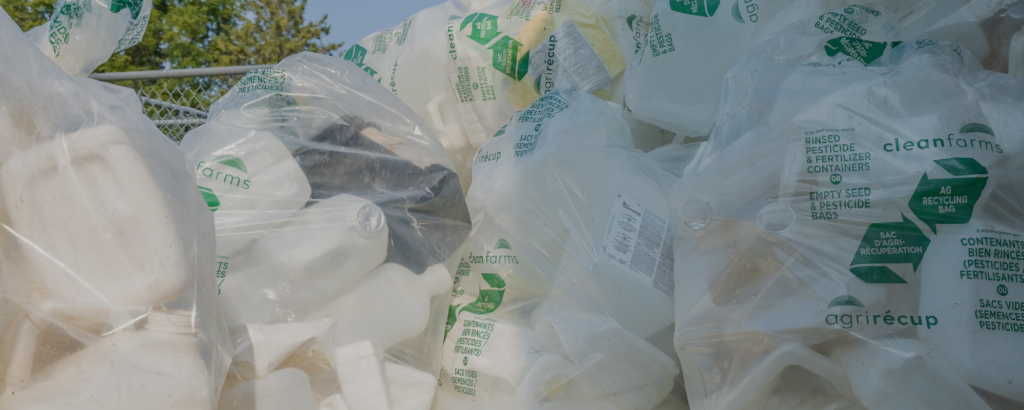
When the topic of plastic pollution arises, images of bottles, straws, and bags in our oceans often come to mind. Yet, plastic pollution is not exclusive to marine environments; freshwater sources, notably the Great Lakes, are similarly under threat. While the vast majority of shoreline plastic pollution is made of common consumer items like those […]
100% Great Lakes Fish Pledge
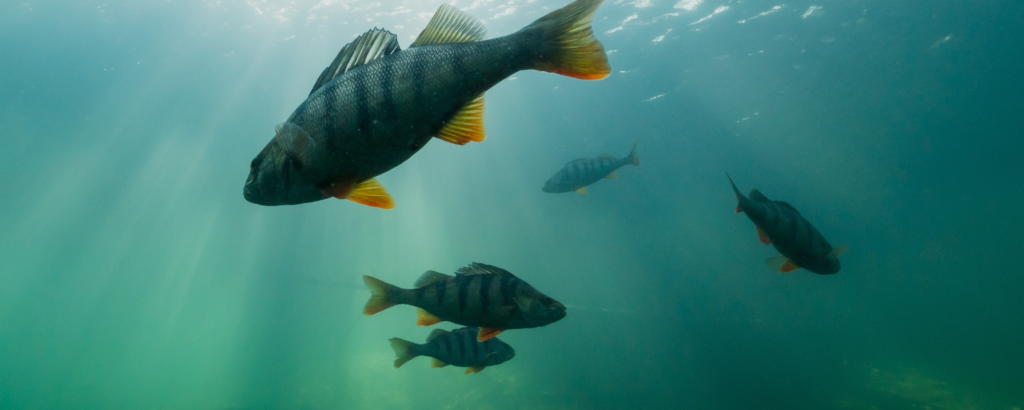
The Great Lakes are home to a sizeable commercial fishery for diverse species such as Lake Whitefish, Yellow Perch, Walleye and Lake Trout. In most cases, only the fillets of these fish are eaten by people, while the remaining 60% of the fish is relegated to inexpensive animal feed or discarded. Recognizing the need to […]
Canadian Agri-Food Resilience

The following is the Introductory Section of the report ‘Canadian Agri-Food Resilience: A Toolbox for Managing Crises’, commissioned by The Canadian Agri-Food Policy Institute and funded in part by the Government of Canada under the Canadian Agricultural partnership’s AgriRisk Initiatives program. Reposted with permission. After reading the article below, gain more insight into the report, […]
Competitiveness, Constraints & Coordination: A Strategy For Accelerating Energy Transition Investment In The Great Lakes
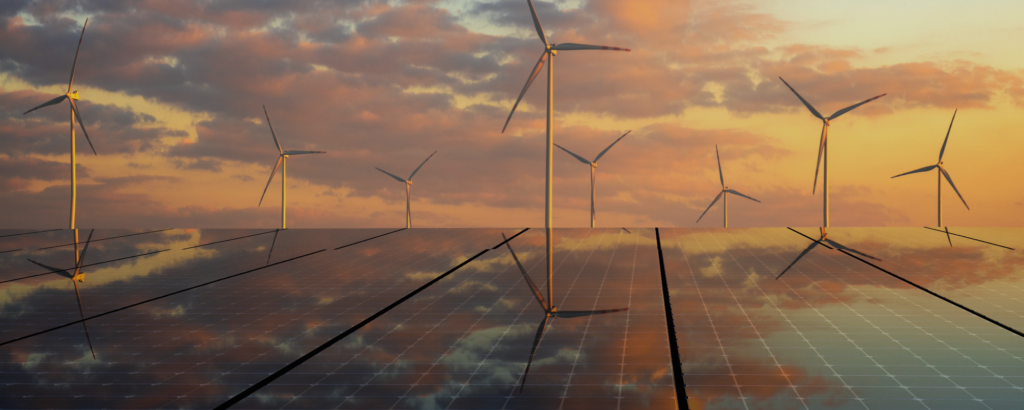
The following is the executive summary of a report that summarizes RMI’s Accelerating Clean Regional Economies (ACRE) initiative’s research into the dynamics of clean energy-based economic development across the Great Lakes region. Reposted with permission. The race to compete in the energy transition is on. As new energy technologies rapidly decrease in cost and improve […]
Advancing Circular Technology Investment in Canada

Let’s not pick winners and losers Circular economy. For active players collaborating to reduce plastic waste, these words have become part of our everyday vocabulary. We understand the need for significant investment in technology and infrastructure and the need to scale these solutions to achieve circularity. Accelerating progress depends on a series of critical actions […]