
Advancing Circular Economy Conversations in Cleveland
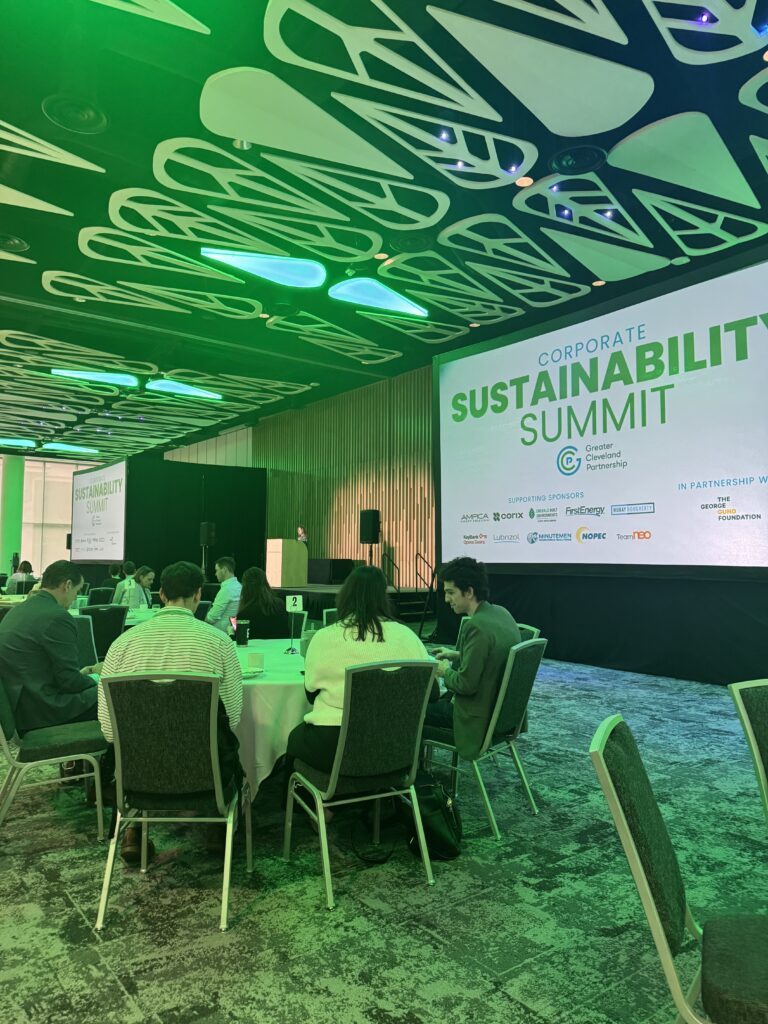
March 10, 2026 On March 10, the Council of the Great Lakes Region was proud to take part in the Greater Cleveland Partnership Corporate Sustainability Summit 2026, a dynamic gathering of business leaders, sustainability professionals, and changemakers committed to advancing real world solutions. Held in Cleveland, the summit created space for meaningful dialogue around resilience, […]
Actions, Behavior Changes, and Support Needed

Convenience Drives Environmental Action, Study Finds As shown in parts 1 and 2 of this 3-part article series, residents in Minnesota, Wisconsin, Illinois, Indiana, Michigan, Ohio, Pennsylvania and New York, comprising the U.S. Great Lakes region, report strong concern and high knowledge about climate change aspects and the causes. The data from the 2024 EcoFocus […]
Final Report of the IJC Great Lakes Science Advisory Board Work Group on Microplastics
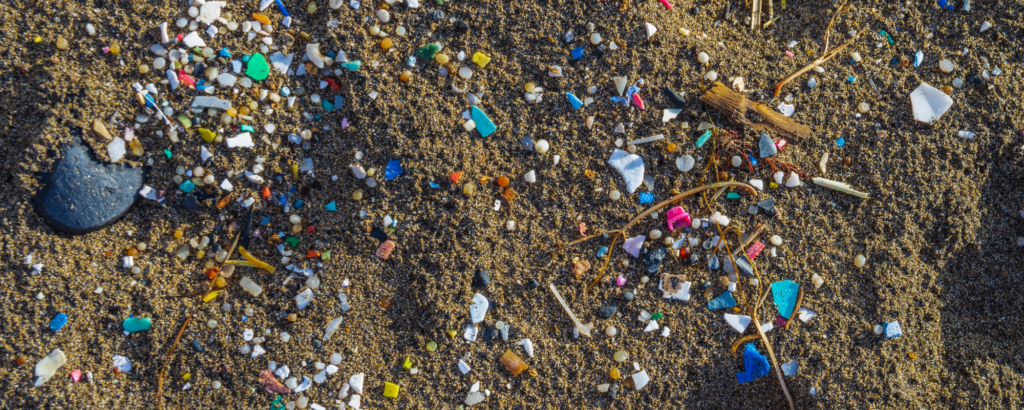
Monitoring, Ecological Risk Assessment, and Management of Microplastics in the Laurentian Great Lakes Plastics are a diverse and ubiquitous group of materials that have seen a surge in production in the past century. The widespread use of plastics coupled with unsustainable materials management has led to plastic pollution, including the ubiquity of microplastics across the […]
Knowledge and Understanding of Environmental Issues

Study Finds: Great Lakes Residents Show Understanding of Environmental Facts, but Struggle with Making Green Choices Climate change acceptance and efforts to lead an eco-friendly and sustainable lifestyle has become a broad trend in the U.S. However, without knowledge of the contributors to climate change, we as a nation and each of us individually, will […]
Environmental Attitudes and Regional Concerns

“Water Quality, Microplastics Top Environmental Concerns for Great Lakes Residents” The Great Lakes make up 20% of the earth’s fresh surface water and is the source of drinking water for 40 million residents. They contribute to a thriving economy and support industries like commercial fisheries, agriculture and tourism, to name a few. In a time […]
Establishing a Regional Waste Management Authority in the Pittsburgh Region: A Vital Step Towards Economic Growth and Sustainability

In recent years, the issue of waste management has emerged as a critical challenge for cities across the globe. Pittsburgh, a city renowned for its industrial heritage and vibrant cultural scene, faces its own set of waste management issues. As the region continues to grow economically and demographically, the need for a unified approach to […]
How Recycling Plastic Bottles Generates an Economic Ripple Effect in Ohio
When Ohioans drop in or drop off their recyclables, they might not realize that in addition to diverting trash from the landfill, they are also supporting jobs, consumers and Ohio’s economy. In fact, nearly 400 businesses in central Ohio are recycling reliant. Together, they support more than 5,000 jobs and generate $1.3 billion in revenue […]
Protecting the Great Lakes: The Imperative of Recycling Agricultural Plastics
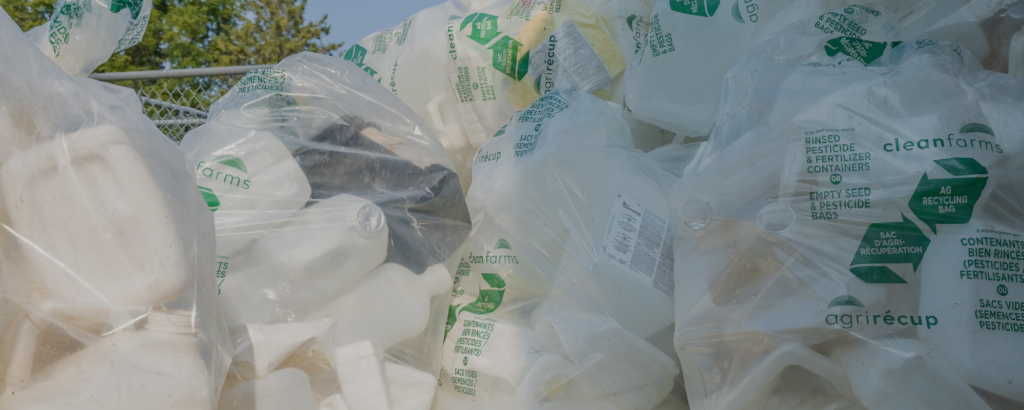
When the topic of plastic pollution arises, images of bottles, straws, and bags in our oceans often come to mind. Yet, plastic pollution is not exclusive to marine environments; freshwater sources, notably the Great Lakes, are similarly under threat. While the vast majority of shoreline plastic pollution is made of common consumer items like those […]
Advancing Circular Technology Investment in Canada
Let’s not pick winners and losers Circular economy. For active players collaborating to reduce plastic waste, these words have become part of our everyday vocabulary. We understand the need for significant investment in technology and infrastructure and the need to scale these solutions to achieve circularity. Accelerating progress depends on a series of critical actions […]
Are National Standards Around Recyclability Claims on The Way?

Research shows how much, how often, and how well consumers recycle depends on their trust in the recycling system. Most of them – 78 percent –turn to labels to try and determine if a material will actually be recycled. Yet nearly two-thirds of them say they are confused by the label, found a survey of […]