The Great Lakes region stands as one of the most important megaregions on Earth—an economic powerhouse, ecological treasure, and cultural heartland that profoundly shapes the lives of millions of people across the United States and Canada.
Ensuring the Great Lakes region’s long-term competitiveness and sustainable development—a crucial mission for the future of the region and the US-Canada relationship—demands a new era of collaborative actions that will build a strong regional economy for all while preserving the Great Lakes and our environment.
–The Right Honourable David Johnston,
Governor General of Canada (2010-2017),
at CGLR’s first annual conference.
At the region’s core are the Great Lakes. Thanks to the environmental vitality and economic strength they sustain, their importance are unparalleled. These inland seas provide drinking water to nearly 40 million Americans and Canadians, sustain diverse wildlife, and anchor a regional economy that would rank among the top three in the world if it were its own country.
The Great Lakes region, with a GDP of roughly US$9.0 trillion, represents the third largest economy in the world—if it were a country. As a result, it serves as North America’s industrial engine and the driving force behind the economic partnership between the United States and Canada.
The region is the guardian of the five Great Lakes, the largest surface freshwater system on the planet, which provides drinking water to millions of Americans and Canadians. Other vital ecosystems in the region support thousands of species, many of which are globally rare.
Before these lands were settled, for millennia the Great Lakes region has been the traditional territory of Indigenous peoples. Today, over 100 million people living in more than 15,000 cities and towns call the Great Lakes region home.
Since its founding in 2013 in Cleveland, CGLR has been a catalyst for deepening the relationship between the United States and Canada in the Great Lakes region and basin, with a focus on creating stronger and more dynamic collaborations to harness the Great Lakes region’s economic strengths and assets, improve the well-being and prosperity of the region’s people, and protect the environment and the Great Lakes for future generations.
Through a new strategic plan approved in 2023 and updated in 2026, CGLR is striving to create the world’s first sustainable region by becoming a market leader for accelerating the regional transition to a sustainable future. To achieve this, CGLR will bring diverse perspectives and interests together to explore and solve the most serious socioeconomic and environmental challenges facing the Great Lakes region.
A pivotal analysis highlighting the regional economic assets and opportunities of the Great Lakes, released in 2008, set the stage for deeper regional coordination.
In 2011, over 250 leaders from business, government, labor, and academia gathered in Detroit, MI and Windsor, ON to chart a shared long-term agenda for the region.
Participants agreed that more collaboration across the Canada-US border was vital to addressing regional challenges and seizing opportunities. They identified gaps in binational leadership, knowledge sharing, and advocacy, noting that no single organization existed to coordinate these binational interests and speak to the region’s priorities.
A Policy Agenda for the Great Lakes Century was developed which identified policy areas where stronger collaboration and voice were needed when it comes to building the region’s future, and three strategic imperatives emerged at the Summit:
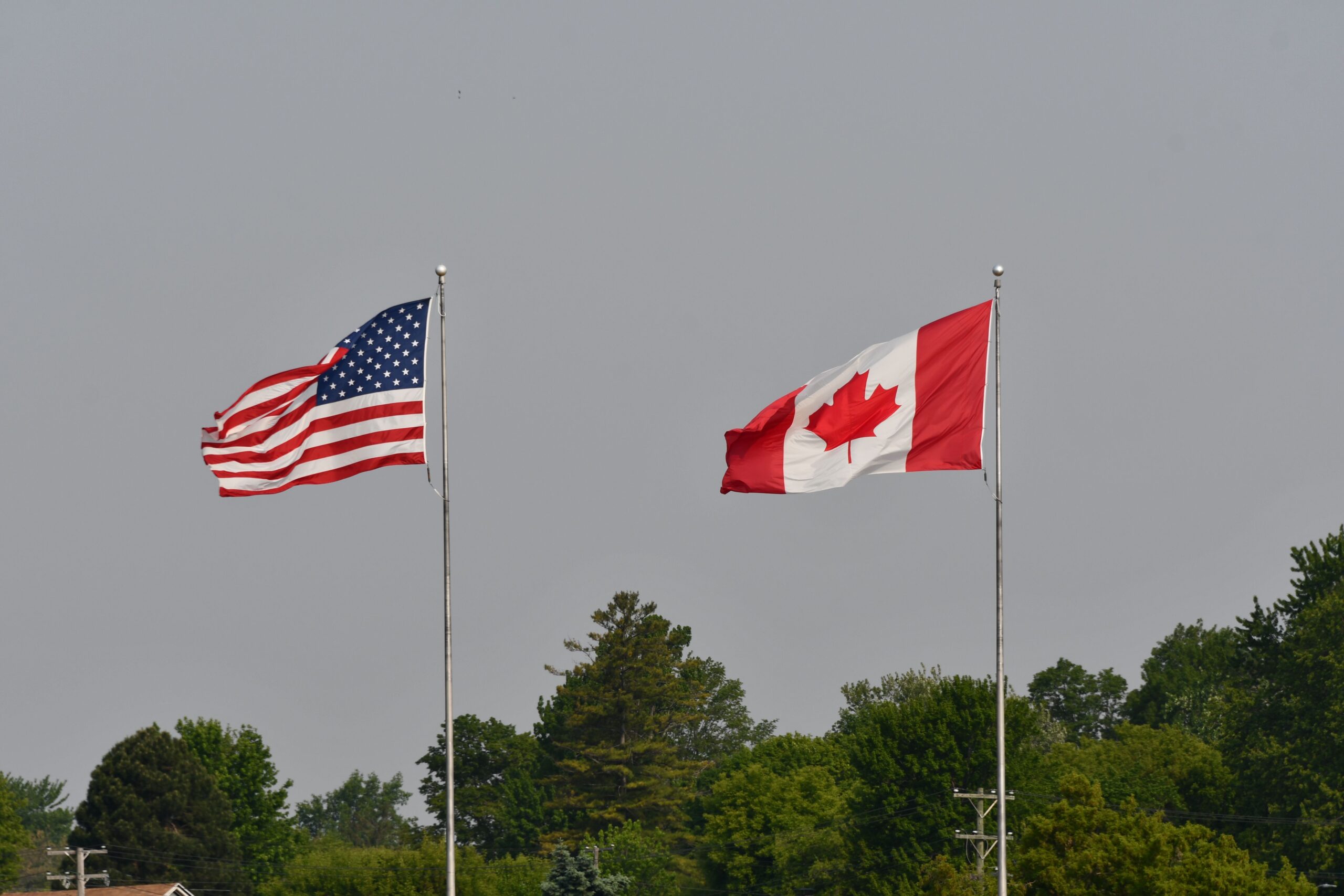
To implement the Vital Commons Agenda, a new binational organization, the Council of the Great Lakes Region (CGLR), was launched in 2013 in Cleveland, Ohio, with the support of then U.S. Ambassador to Canada, David Jacobson, and Canada’s Ambassador to the United States, Gary Doer.

CGLR began its mandate by engaging regional organizations and diverse interests to inform state, provincial, and federal decision-makers in both countries on the region’s long-term economic, social, and environmental goals. It also connected private, public, and nonprofit actors across the region, fostering a unified voice to promote shared interests and solutions to common challenges.
Recognizing the diversity of economic, social, and environmental issues facing the Great Lakes region and the vital importance of the region to the future of the relationship between the United States and Canada. CGLR expanded to form four legal entities under one organizational umbrella. Today, CGLR has trade associations (CGLR USA and CGLR Canada) and public charities (CGLR Foundation and CGLR Canada Foundation) in both the US and Canada, strengthening our cross-border efforts.
A strategic plan in 2023, updated in 2026, frames CGLR’s priorities for its next phase of impact and growth, integrating economic and environmental systems to solve the region’s most complex issues. The sustainability of the region’s economic systems and sectors has never been in sharper focus for consumers, government decision-makers, and environmental NGOs. CGLR’s sustainability focus is building support for a healthy Great Lakes ecosystem, a prosperous regional economy, and thriving communities across the region.
The Great Lakes region drives North America’s economy, producing trillions in output and supporting millions of jobs across manufacturing, transportation, agriculture, tourism, and trade. It boosts prosperity on both the U.S. and Canadian sides.
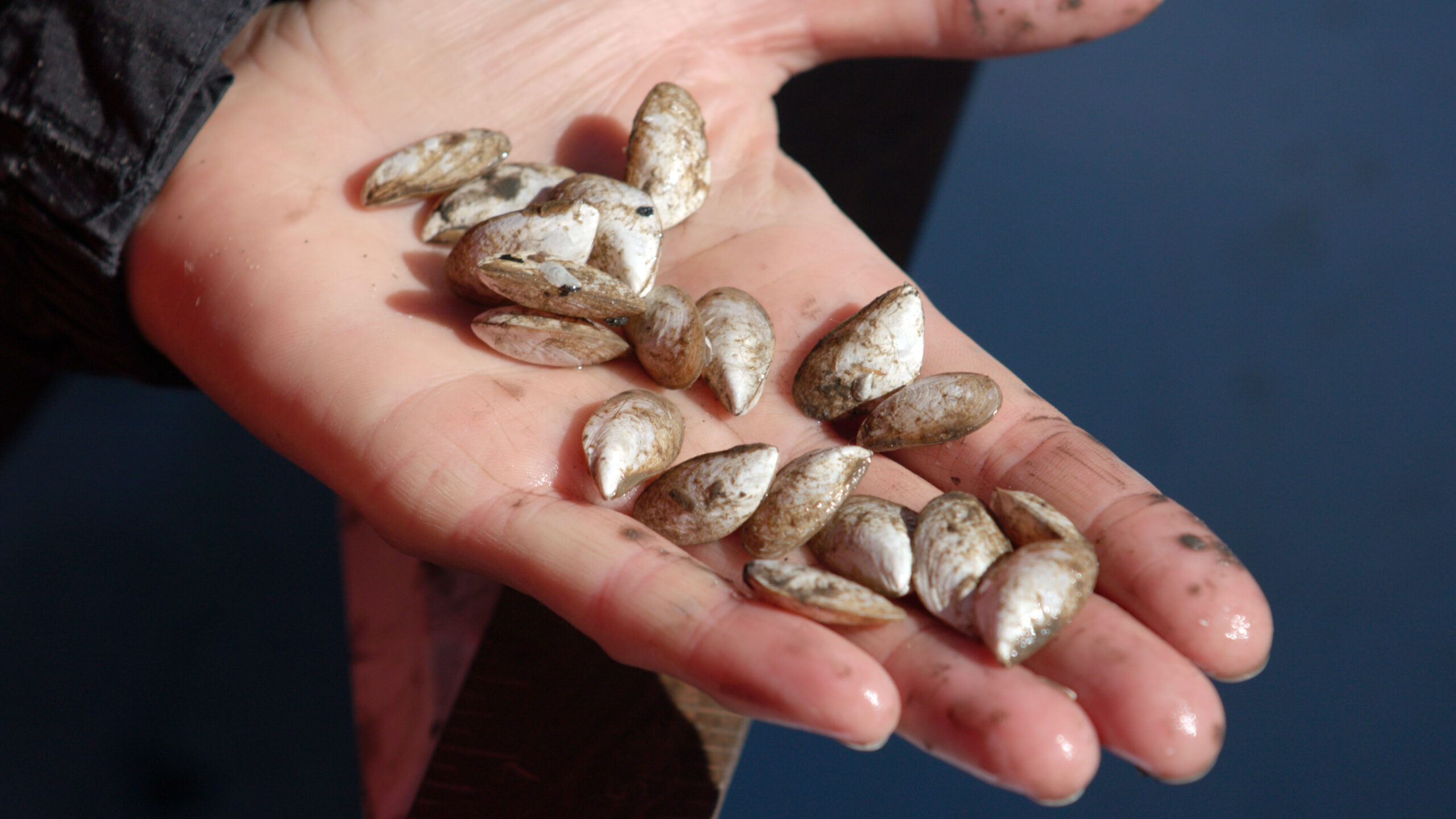
Beyond its economic value, the Great Lakes system is a global freshwater treasure. It supports rich ecosystems, thousands of plant and animal species, and supplies water to millions, all
while facing pressures from pollution, climate shifts, and
invasive species.
Charitable contributions to the CGLR Foundation is the US and the CGLR Canada Foundation are crucial for helping us integrate environmental considerations into our regional public policy decisions, business strategies, and investment choices.
Charitable contributions to the CGLR Foundation in the US and the CGLR Canada Foundation are crucial for helping us integrate environmental considerations into our regional public policy decisions, business strategies, and investment choices.
Supporting CGLR and joining our programs and outreach efforts will help bring sector leaders and stakeholders together to grow the region’s US-Canada economic partnership, transition to a sustainable future, and strengthen our competitiveness in today’s fast pace global marketplace.